Can You Outsave Inflation?
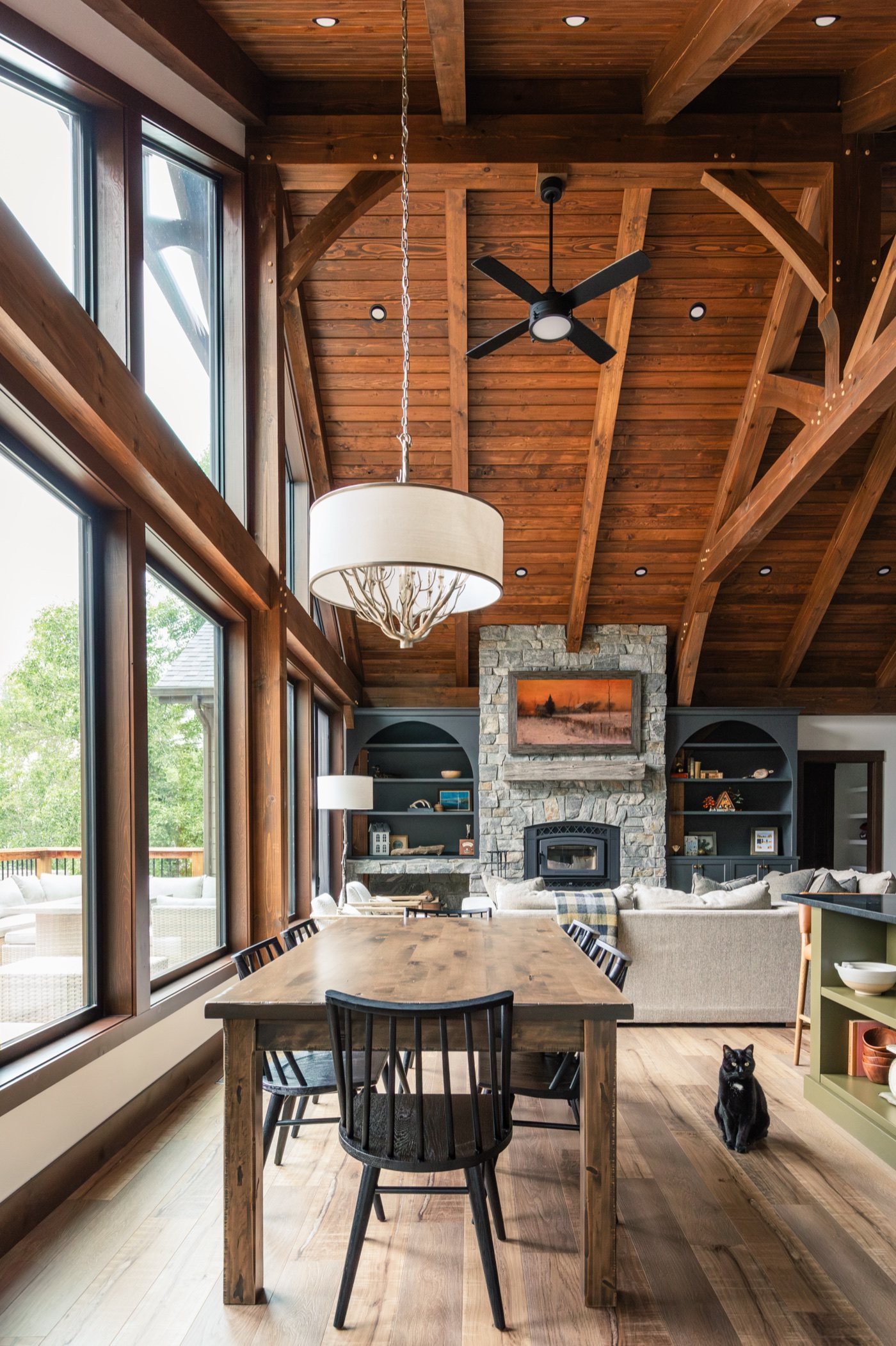
Imagine you’ve designed your dream home and discovered it’s $100,000 over your budget. You decide to wait three years, save aggressively, and come back when you can afford it.
Three years later, you’ve saved the money, but construction costs have increased even more. The home you wanted now costs $250,000 more than it did when you started, leaving you in a position that feels even further from your dream.
Now what? Do you settle for less? Give up on the dream altogether? Or come up with a better plan.
Construction inflation runs nearly double the standard rate
Unlike other things we buy that rise in value at about the same pace as our earnings, new home construction costs rise much faster, which makes it exponentially harder to save fast enough to make a difference.
The main factor is labour shortages in the construction sector. Material costs are rising too, but labour is the biggest driver, specifically skilled labour. The baby boomers who toed the line in this industry are retiring, and there aren’t nearly enough skilled people to fill their shoes.
So what does that mean for you? A $1,000,000 home or cottage today is likely to cost $50,000 more at this time next year, and around $1,250,000 in five years. Maybe more.
What waiting can do to a $1M build
- Today: $1.00M
- Next year: $1.05M (+$50,000)
- In 5 years: $1.25M (+$250,000)
The dollars you save rarely keep pace with what the build gains. Every year you wait, the same home moves further out of reach.
Now for the good news, and the solution
The good news. Building is cheaper today than it will likely ever be again. One day our grandkids will find out what it cost to build a home in 2026 and be in disbelief at how affordable it was.
The solution. Build what you can afford today while planning strategic upgrades for the future. Using this strategy, only the items you upgrade later are affected by inflation. The majority of your future dream home gets bought at today’s construction costs.
“I built my home in 2012 with this strategy, and it’s the best thing I’ve ever done.”
Glen Veenstra, Owner & CEO
Get the big things right, upgrade the rest later
If you go this route, planning is everything. What you build now and what you leave for later is what makes the whole strategy work. Some things are costly and disruptive to change once the home is standing. Others are a simple swap down the road.
Protect now: get these right the first time
- Square footage. You can add on later, but it is far better to get the size right up front.
- Window size and placement. Replacing windows, especially bigger ones, is intrusive and expensive.
- Kitchen and great room layout. The heart of the home. Give these rooms the space to work the way you want for years.
- Garage size. No one has ever complained about a garage that’s too big.
- Basement layout. Set the plumbing drains and window placements now so a future development ties in cleanly.
- Energy efficiency. An efficient home helps you save even faster for the upgrades to come.
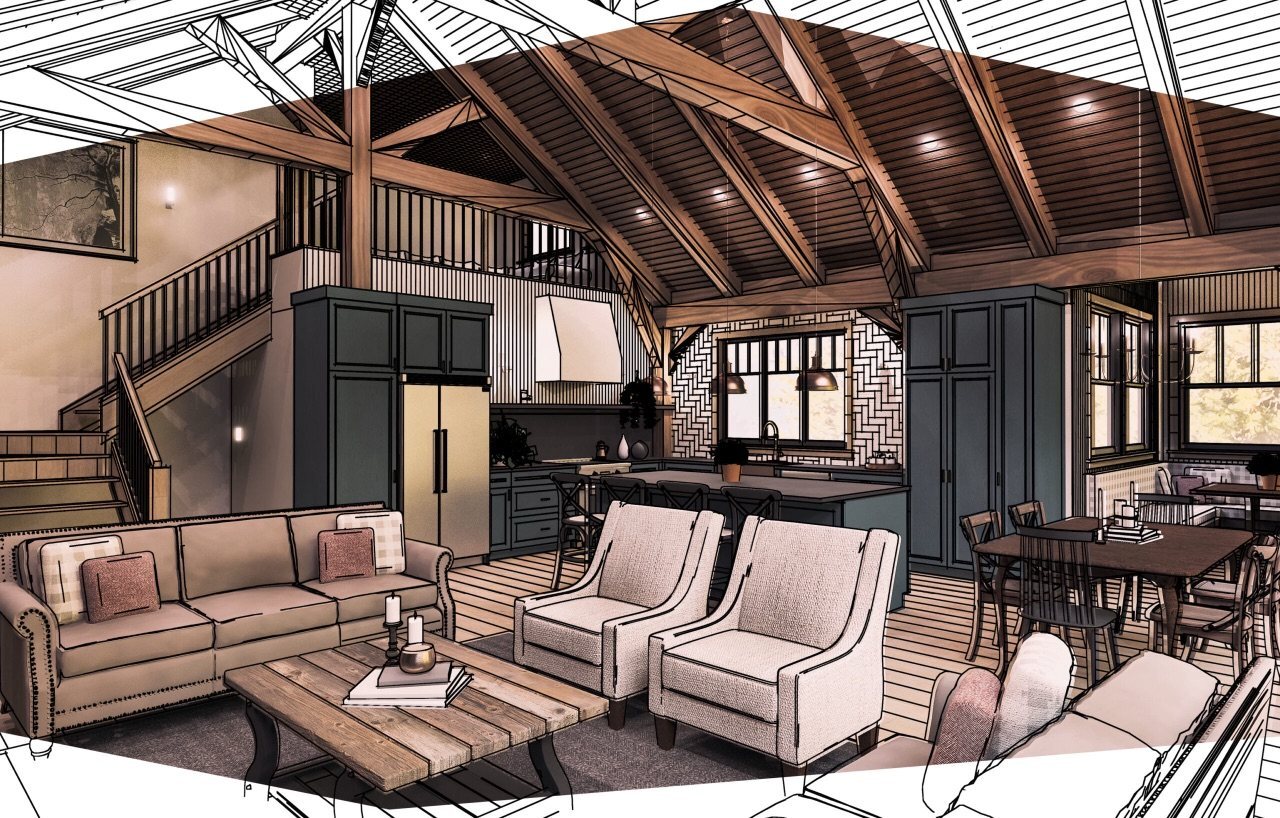
Plan for later: easy to upgrade once you’re ready
- Flooring. Often a remove-and-replace. A week or two of shuffled furniture, not a renovation.
- Countertops. Another straight swap, frequently done in a single day.
- Lighting fixtures. An electrician can change out a whole home’s fixtures in a day.
- Plumbing fixtures. Faucets, showerheads, and sinks come out easily since the plumbing is already placed.
- Finished basement. Plan the layout at build time and the space is ready when you are.
- Landscaping and decks. Easy to add later. We set the deck ledger board now so nothing gets cut into the finishes.
A home that grows with you
Building before you’re ready for every upgrade doesn’t mean settling. In most cases it means making smart decisions that secure the home, floor plan, location, and structure you want today, while leaving room to improve over time.
The goal is not to build everything at once. It is to build wisely, protect your buying power, and create a home that grows with you.
If you’re wondering which features are worth investing in today and which can wait, our design team can help you shape a home that fits your current budget and keeps your long-term vision intact.